IMD vs IMF: Choosing the Right In-Mold Decoration Technology
2026-06-06 · IMD Panel, Uncategorized
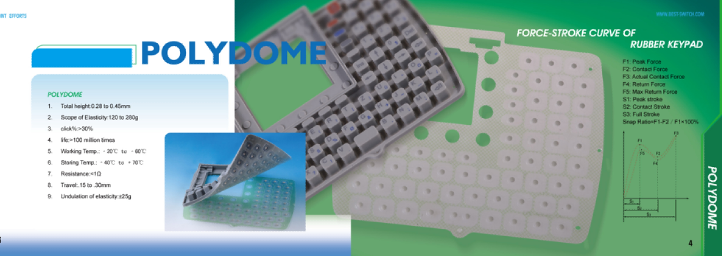
In-Mold Decoration (IMD) and In-Mold Film (IMF) are two injection molding technologies that integrate graphics directly into plastic parts. Both eliminate post-mold painting and labeling, but they serve different product requirements.
IMD (In-Mold Decoration)
In the IMD process, a pre-printed film is placed into the injection mold cavity. Molten plastic bonds to the film during injection, creating a finished part with permanent graphics. The film becomes the outer surface.
- Applications: Appliance panels (rice cookers, washing machines, ACs), electronics enclosures, automotive interior trim
- Key benefit: Graphics are protected behind the film — will not scratch or fade
- Durability: Life up to 1 million cycles
- Print accuracy: ±0.05mm
IMF (In-Mold Film / Foil)
IMF uses a thinner carrier film that is back-injected. The film remains partially inside the part, with the graphic visible through a clear resin layer. IMF suits deeper-draw parts and curved geometries.
- Applications: Automotive center consoles, medical device housings, deep-draw electronics covers
- Key benefit: Supports deeper 3D shapes than standard IMD
- Process: Requires high-pressure forming (HIF) before injection
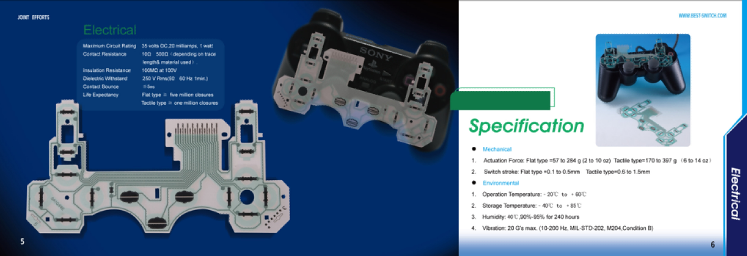
IMD vs IMF: Quick Comparison
| Factor | IMD | IMF |
|---|---|---|
| Max draw depth | Shallow to moderate | Deep, complex 3D |
| Tooling cost | Lower | Higher (forming mold + injection mold) |
| Scratch resistance | Excellent (film on surface) | Good (resin over film) |
| Production speed | Faster | Slower (extra forming step) |
| Typical minimum qty | 500–3000 pcs | 2000–10000 pcs |
Which Should You Choose?
For flat or gently curved panels on home appliances and electronics, IMD delivers the best cost/performance ratio. For automotive interiors, deep-draw medical enclosures, or parts requiring both function and aesthetic curves, IMF provides greater design freedom.
SanTeXing offers both IMD and IMF solutions with full mold development, precision printing, and SMT integration. Contact us for a design review.